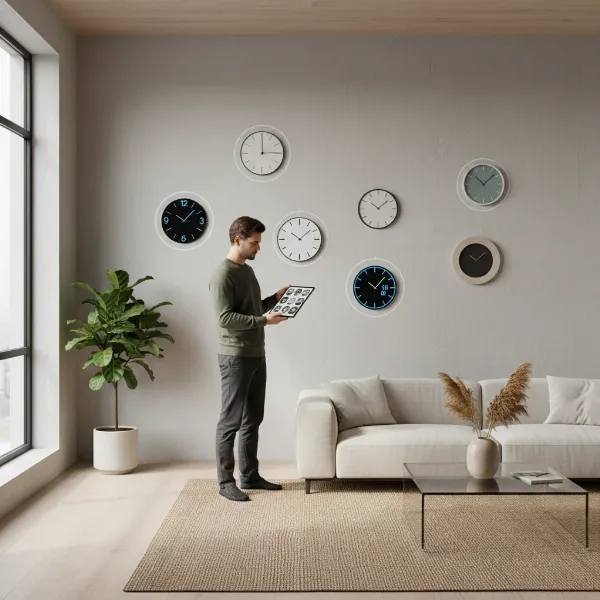
A wall clock transcends its basic function of telling time, emerging as a pivotal element in home decor that reflects personal style and enhances a room’s ambiance. In an era dominated by digital devices, a well-chosen wall clock offers a timeless appeal, adding character, sophistication, and a sense of enduring elegance to any space. Whether you’re furnishing a new home or simply seeking to refresh an existing room, selecting the right timepiece can significantly elevate your interior design. This comprehensive guide will navigate you through the diverse world of wall clocks, providing expert insights and practical advice to help you find the perfect one that harmonizes with your home and lifestyle.
Types of Wall Clocks for Every Home
The market boasts an impressive array of wall clocks, each designed to cater to different tastes and functional requirements. Understanding the primary categories can simplify your selection process.
- Analog Wall Clocks: These are the quintessential timekeepers, featuring hour, minute, and often second hands moving across a numbered dial. Analog clocks are celebrated for their classic appeal and decorative versatility, seamlessly fitting into traditional, rustic, and even some modern settings. They can operate with either mechanical or quartz movements.
- Digital Wall Clocks: Offering contemporary flair, digital clocks display time numerically. They are often chosen for their quick readability and tend to incorporate additional features like alarms, calendars, temperature displays, and even humidity readings, making them highly functional additions to bedrooms, offices, or kitchens.
- Quartz Movement Clocks: The most common type of mechanism today, quartz clocks are battery-powered and utilize a quartz crystal oscillator for exceptional accuracy. They are known for their low maintenance and are available in both traditional “tick-tock” and silent sweep variations, the latter being ideal for quiet spaces.
- Pendulum Clocks: Evoking a sense of historical charm, pendulum clocks feature a swinging weight that regulates their timing. Often mechanical, these clocks are prized for their intricate craftsmanship and the calming, rhythmic sound of their movement, making them a focal point in traditional or antique-inspired interiors.
- Artistic and Decorative Wall Clocks: Beyond mere timekeeping, these clocks serve as genuine works of art. They come in unique shapes, bold colors, or with three-dimensional elements, transforming a plain wall into a captivating display. Styles range from abstract and minimalist to vintage-inspired and modern metallic designs, designed to spark conversation and express individuality.
Key Factors in Selecting Your Ideal Wall Clock
Choosing a wall clock involves more than just picking one that looks good. Several practical considerations will ensure your timepiece is both beautiful and functional.
Size and Room Proportionality
|
Our Picks for the Best Wall clock in 2026
As an Amazon Associate I earn from qualifying purchases.
|
||
| Num | Product | Action |
|---|---|---|
| 1 | Roymnie Wall Clock Silent Non-Ticking Modern Clock Battery Operated 8 Inch Small Classic Analog Decorative for Classroom, Living Room, Office, Bedroom, School, Hotel (Black) |

|
| 2 | HYLANDA Wall Clock, 9 Inch Silent Non Ticking Classic Battery Operated Clocks, Decorative for Living Room, Bedrooms, Bathroom, Kitchen Office (Bronze) |
|
| 3 | AKCISOT Wall Clock 10 Inch Silent Non-Ticking Modern Clocks Battery Operated - Analog Small Classic for Office, Home, Bathroom, Kitchen, Bedroom, School, Living Room(Black) |
|
| 4 | Wall Clocks Battery Operated 8 inch Modern Wall Clock,Silent Non Ticking Wall Clock for Living Room Bedroom Kitchen Office Classroom Decor (Green White) |
|
| 5 | DAXSMY Wall Clock - 8 Inch Silent Non-Ticking Modern 3D Wall Clocks Battery Operated - Decorative Clock for Kitchen, Home Office, Bathroom, Bedroom(Rose Gold) |
|
| 6 | jomparis Wall Clock 12 Inch Non-Ticking Silent Battery Operated Round Wall Clock Modern Elegant Simple Style Clock for Home Office Kitchen Bedroom Living Room |
|
| 7 | AKCISOT Wall Clock, Modern Small Wall Clocks Battery Operated 8 Inch, Silent Non-Ticking Analog Classic for Office, Home, Bathroom, Kitchen, Bedroom, School(Black) |
|
| 8 | WallarGe 14.5'' Large Digital Wall Clock Battery Operated with Jumbo Numbers, Temperature and Date - Easy to Read and Set, Auto DST |
|
| 9 | Roymnie Wall Clock Green, Silent Wall Clocks Battery Operated 8 Inch-Modern Non Ticking Analog Clock Decorative for Kitchen Office Bathroom Bedroom(Gold) |
|
| 10 | Bernhard Products Black Wall Clock Silent Non Ticking 10 Inch Quality Quartz Battery Operated Round Easy to Read Home/Office/Kitchen/Classroom/School Clock Sweep Movement |
|
The size of your wall clock is paramount to achieving visual balance in a room. A clock that is too small can get lost on a large wall, while an oversized one can overwhelm a more compact space. For expansive walls, consider a large clock (over 24 inches in diameter) to create a striking focal point. In smaller rooms or cozy nooks, a medium-sized clock (12-18 inches) generally works best. When placing a clock above furniture like a sofa or mantelpiece, a good rule of thumb is for the clock’s width to be approximately two-thirds that of the furniture below it. Always measure your wall space and consider the viewing distance to ensure readability.
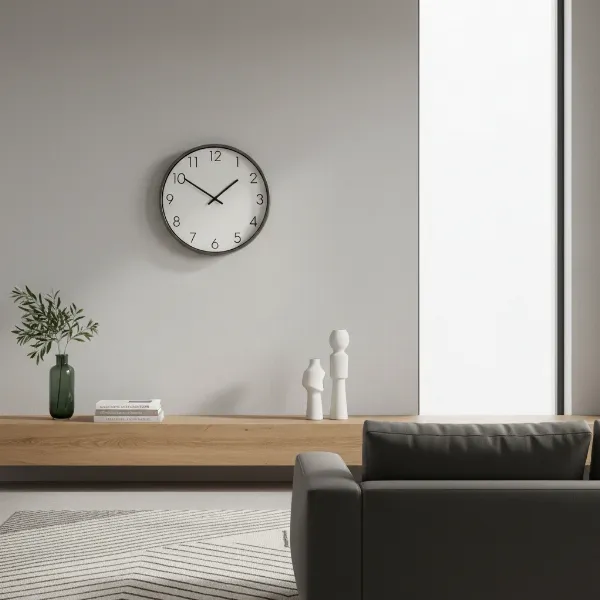 A sleek, minimalist wall clock complements a modern living room interior with subtle decor.
Material and Durability
The material of a wall clock not only dictates its aesthetic but also its longevity. Wooden clocks infuse warmth and natural beauty, making them perfect for rustic, farmhouse, or traditional decor. Metal clocks offer a sleek, industrial, or modern edge, providing durability and a contemporary look. Glass or acrylic clocks present a clean, elegant, and often minimalist appearance, fitting well in modern or Scandinavian-inspired interiors. Plastic clocks are lightweight, cost-effective, and versatile, suitable for casual or children’s rooms, though care should be taken with their finish.
Style and Aesthetic Harmony
The clock’s style should seamlessly integrate with your existing home decor. For a minimalist interior, opt for a clock with clean lines and a simple face. A farmhouse or rustic theme benefits from distressed wood or vintage-inspired designs. Traditional rooms call for classic round clocks or more ornate pieces with Roman numerals. For an industrial loft, bold metal designs with exposed gears might be ideal. The color palette also plays a crucial role; a clock can either blend in harmoniously or act as a contrasting pop of color to invigorate a neutral space.
Timekeeping Accuracy and Movement Type
Accuracy is the cornerstone of any timepiece. Quartz movements are highly praised for their consistent and precise timekeeping, making them a reliable choice for most households. Mechanical clocks, especially high-quality ones, are admired for their intricate craftsmanship and historical authenticity, though they often require more dedicated maintenance. When comparing options, consider how crucial absolute precision is for your intended use.
Noise Level: Silent vs. Ticking
The sound a clock makes can significantly impact the tranquility of a room. Traditional mechanical and some analog quartz clocks produce an audible “tick-tock” sound. While some find this rhythmic chime charming and nostalgic, others prefer absolute silence, especially in bedrooms, nurseries, or home offices. Silent sweep quartz movements eliminate the ticking sound entirely, ensuring an undisturbed environment.
Advanced Features and Functionality
Modern wall clocks often extend beyond basic time-telling. Some models include integrated thermometers and hygrometers to display temperature and humidity. Others may offer calendar functions, dual time zones, or even atomic radio control for automatic time adjustments, including daylight saving. Digital clocks frequently come with alarm settings, timers, and stopwatches. Consider which additional functionalities would genuinely enhance your daily life and convenience.
Top Wall Clock Brands: A Comparative Insight
When investing in a quality wall clock, certain brands consistently stand out for their craftsmanship, design, and reliability. Here’s a brief look at some reputable names:
- Howard Miller: Craftsmanship and Elegance
Howard Miller is often considered a benchmark for clocks, known for its elegant, timeless designs and beautiful wood finishes. Their range includes classic chiming pieces and modern digital clocks with advanced features like temperature, humidity, and radio-controlled movement for accuracy. They emphasize attention to detail and offer a wide selection to suit various decor styles. - Seiko: Precision and Modern Design
Seiko, a globally recognized name in timekeeping, offers wall clocks characterized by sleek designs, silent sweeping second hands, and clear, easy-to-read dials. Their clocks often feature a classic watch-face aesthetic combined with durable construction, making them a practical and stylish addition to any room that values precision and understated elegance. - Hermle: Heritage and Artistry
Hailing from Germany, Hermle clocks embody classic European charm and precision engineering. They are celebrated for their beautiful old-school mechanical movements and rich finishes, often becoming conversation starters due to their intricate design. Hermle offers a range that appeals to those who appreciate traditional craftsmanship and a sense of heritage in their timepieces.
Detailed Comparison Table
| Feature | Howard Miller | Seiko | Hermle |
|---|---|---|---|
| Accuracy | High (Quartz, Radio-controlled) | High (Quartz, Silent Sweep) | High (Mechanical, Quartz) |
| Durability | Excellent (Wood, Metal) | Excellent (Various materials) | Excellent (Fine woods, Metals) |
| Style | Classic, Elegant, Modern | Modern, Minimalist, Classic | Traditional, European, Ornate |
| Price (Approx.) | Mid to High-end | Mid-range | Mid to High-end |
Your Comprehensive Wall Clock Buying Guide
Making an informed decision ensures you select a wall clock you’ll cherish for years. Follow these steps for a smooth buying process.
Define Your Needs and Placement
Begin by determining the primary purpose of your wall clock. Is it primarily for time-telling, a decorative accent, or both? Consider the room and specific wall where it will hang. For instance, a kitchen clock needs to be highly readable and potentially robust to handle humidity, while a bedroom clock should ideally be silent and non-distracting. Visualize how the clock will interact with existing furniture and decor to ensure it complements, rather than clashes with, the space.
Set a Realistic Budget
Wall clocks vary widely in price, from budget-friendly plastic models to high-end artistic or mechanical masterpieces. Establishing a budget early on will help narrow your options and focus your search on clocks that offer the best value within your price range. Remember that higher-quality materials and renowned brands often come with a higher price tag but typically offer superior durability and accuracy.
Research and Compare Products
Before committing to a purchase, dedicate time to researching different models and brands. Read reviews from other buyers to gauge real-world performance and satisfaction. Compare features, materials, and price points across several options that meet your initial criteria. Online resources and dedicated clock enthusiast communities can be excellent sources of information.
Where to Purchase: Reputable Retailers
Buying from a reputable store or the official website of a brand is crucial. This ensures you receive an authentic product, access to customer support, and the benefit of a warranty. Physical stores allow you to see the clock firsthand, assess its size, finish, and hear its mechanism (if applicable). Online retailers offer a broader selection and often competitive pricing, but always check their return policies.
Inspect Quality and Warranty
Upon receiving your wall clock, thoroughly inspect it for any manufacturing defects. Check the hands for smooth movement, the finish for imperfections, and ensure all features function as advertised. Understand the warranty terms provided by the manufacturer or retailer. A solid warranty is a testament to the product’s quality and offers peace of mind against potential issues.
Essential Tips for Wall Clock Use and Maintenance
To ensure your wall clock remains a beautiful and accurate timepiece for years, proper care and maintenance are essential.
Regular Cleaning and Dusting
Dust and grime can accumulate on the surface and even affect the internal mechanism over time. Regularly dust your clock with a soft, lint-free cloth, ideally every 2-3 weeks. For surface cleaning, a damp cloth with a mild soap solution can be used on plastic or glass components, ensuring no moisture seeps into the clock’s mechanism. Always dry thoroughly afterward. Avoid harsh chemicals or abrasive materials that could damage the finish.
Proper Battery Management
For quartz clocks, regularly check and replace batteries. A common recommendation is to replace them every 6-12 months, or as specified by the manufacturer, even if the clock still appears to be functioning. Weak batteries can lead to inaccurate timekeeping or leakage, which can damage the clock’s internal components. Always use the recommended battery type.
Optimal Placement Considerations
The longevity and appearance of your clock can be affected by its environment. Avoid hanging wall clocks in direct sunlight, as prolonged exposure can fade the finish and potentially impact internal components, especially in mechanical clocks. Maintain a stable indoor environment with moderate temperatures (around 70°F) and controlled humidity (35-50%) to prevent material warping or corrosion. Ensure the clock is mounted securely using appropriate hardware for its weight.
Handling with Care and Professional Servicing
Always handle your wall clock gently. If you need to move it, especially larger or delicate models, remove any detachable parts like pendulums and wrap them securely. Grasp the clock from sturdy areas rather than decorative elements. For mechanical clocks, professional servicing every 2-3 years, or every five years for general clocks, is highly recommended. Experts can clean, lubricate, and adjust the delicate internal mechanisms, preventing costly repairs down the line. Avoid attempting DIY repairs on the internal workings unless you are a trained professional.
Winding and Lubrication (for mechanical clocks)
If you own a mechanical wall clock, consistent winding is crucial for accurate timekeeping. Follow the manufacturer’s instructions for winding frequency, typically daily for 30-hour clocks or weekly for 8-day clocks, always at the same time. Wind gently to avoid overwinding, which can damage the springs. Lubrication, essential for mechanical clocks, should only be performed by a professional clockmaker every three to five years. Incorrect oiling can attract dust and gum up the movement, causing more harm than good.
Conclusion
Choosing the perfect wall clock is a journey that blends aesthetic preference with practical considerations, transforming a simple time-telling device into a cherished piece of your home’s narrative. By understanding the diverse types available, focusing on key factors like size, material, and accuracy, and exploring reputable brands, you can make a selection that truly resonates with your style and needs. Remember, a wall clock is more than just an object; it’s a silent sentinel, a decorative statement, and a functional cornerstone that adds rhythm and personality to your living space. What story will your next wall clock tell in your home?
Frequently Asked Questions
How often should I clean my wall clock?
Regular dusting every 2-3 weeks and a surface wipe every 2-3 months is generally recommended. Use a soft, lint-free cloth and mild cleaning solutions for exterior surfaces, but avoid getting moisture into the internal mechanisms.
Can wall clocks be repaired?
Yes, most wall clocks, especially mechanical ones, can be repaired by a professional clockmaker. It’s advisable to seek expert help for internal issues rather than attempting DIY repairs to prevent further damage.
What makes a wall clock silent?
A wall clock is silent due to its “silent sweep” quartz movement. Instead of the second hand moving in distinct “ticks,” it glides smoothly and continuously, eliminating any audible ticking sound, which is ideal for quiet environments.
How do I choose the right size wall clock for my room?
Measure your wall space and consider the room’s overall scale. For large walls, select a clock over 24 inches for a focal point. In smaller rooms, a clock between 12-18 inches is usually proportionate. Also, ensure it’s about two-thirds the width of any furniture directly beneath it.
Are digital wall clocks more accurate than analog?
Digital wall clocks, particularly those with atomic or radio-controlled features, often offer superior accuracy as they automatically synchronize with official time signals. However, high-quality quartz analog clocks are also very accurate and reliable for everyday use.
Should I oil my wall clock?
Mechanical wall clocks require lubrication every 3-5 years, but this task should always be performed by a professional clockmaker. Most quartz clocks do not require oiling, and improper lubrication can actually attract dust and damage the movement.