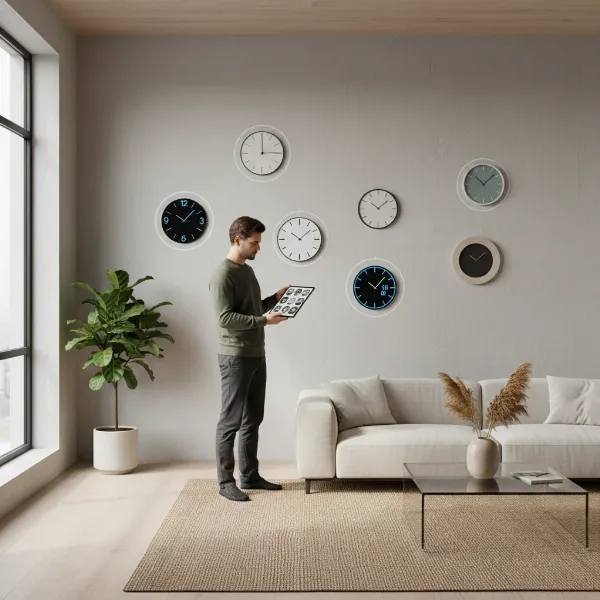
In an age dominated by smartphones and smart devices, many might ponder: is a traditional wall clock still a worthy addition to our homes and offices? The answer, unequivocally, is yes. Far from being obsolete, a well-chosen wall clock offers a unique blend of functionality, aesthetic appeal, and a calming presence that digital screens often fail to provide. It’s more than just a time-telling device; it’s a statement piece, a decor enhancer, and a subtle anchor in our fast-paced lives. This comprehensive guide will explore the undeniable value of wall clocks, delve into the various types available, highlight crucial factors for selection, and offer essential maintenance tips to ensure your timepiece stands the test of time.
The Enduring Appeal: Why Wall Clocks Matter
Wall clocks bring a distinctive charm and practical utility that enriches any living or working space. They serve as excellent decorative elements, capable of filling an empty wall, becoming a focal point, or complementing existing decor themes. Unlike smaller devices, a wall clock offers an instant and easy reference point for time, visible from across the room without the need to pick up a gadget, thus reducing digital distractions and promoting focus.
Beyond mere timekeeping, wall clocks contribute significantly to the ambiance of a room. The rhythmic ticking of a mechanical clock or the silent sweep of a quartz movement can evoke a sense of peace and regularity. Many clocks carry sentimental value, becoming heirlooms passed down through generations, embodying historical and cultural significance. They represent craftsmanship and artistry, transforming a functional object into a work of art. In essence, wall clocks offer reliability, style, and a tangible connection to the passage of time that enhances our daily lives.
Diverse Timekeepers: Types of Wall Clocks
The world of wall clocks offers a rich tapestry of designs, movements, and styles to suit every taste and interior design scheme. Understanding the different types helps in making an informed choice for your space.
- Traditional Analog Clocks: These clocks feature a classic face with hour, minute, and sometimes second hands, often incorporating Roman or Arabic numerals. They come in various styles, from rustic farmhouse to elegant vintage designs.
- Digital Wall Clocks: Offering a clear, easy-to-read numeric display, digital clocks are ideal for modern, minimalist interiors or spaces where instant legibility is paramount, such as offices or kitchens. Some advanced models include additional features like date, temperature, and humidity displays.
- Pendulum Clocks: Characterized by their iconic swinging pendulum, these clocks add a touch of classic elegance and historical charm. They can be mechanical, requiring winding, or quartz-powered. Pendulum clocks often feature ornate designs and can serve as a striking focal point.
- Artistic and Decorative Clocks: These clocks prioritize aesthetic appeal, often featuring unique shapes, intricate details, and unconventional materials. They function primarily as art pieces that also happen to tell time, making them perfect for adding personality and flair to eclectic or contemporary spaces.
- Modern Minimalist Clocks: With clean lines, neutral colors, and often a lack of numerals or highly simplified markers, these clocks embody contemporary design principles. They blend seamlessly into minimalist decor, providing subtle functionality.
Key Considerations for Choosing Your Perfect Wall Clock
Selecting the ideal wall clock involves balancing functionality with aesthetic appeal. Several critical factors should guide your decision to ensure it perfectly complements your space and lifestyle.
- Size and Proportion: The size of your wall clock should be proportionate to the wall and surrounding furniture. A good rule of thumb is for the clock to fill 20-35% of the wall width above furniture or approximately two-thirds the width of the furniture below it. Oversized clocks (above 24 inches) make a bold statement on large walls, while medium (12-18 inches) or smaller clocks suit more confined spaces.
- Material and Durability: The material influences both the clock’s appearance and longevity.
- Wood: Adds warmth and a timeless feel, perfect for rustic, vintage, or classic interiors. It often requires more care to prevent scratches or moisture damage.
- Metal: Offers a sleek, modern, or industrial look. Metal clocks are generally durable and easier to clean, though some metals can rust if not protected.
- Glass/Acrylic: Provides a contemporary, elegant, or minimalist aesthetic. These materials can be found in a range of designs and are often easy to wipe clean.
- Style and Design: Your wall clock should harmonize with your existing decor.
- Modern/Minimalist: Clean lines, simple designs, neutral colors, often in metal or glass.
- Vintage/Rustic: Aged finishes, classic numerals, often wood or distressed metal.
- Industrial: Bold, metallic, sometimes with exposed gears.
- Traditional/Classic: Ornate, detailed designs, often with wood and a pendulum.
- Accuracy and Movement: The mechanism dictates the clock’s precision and maintenance needs.
- Quartz Movement: Battery-operated, highly accurate, and low maintenance. This is the most common and reliable type for everyday use.
- Mechanical Movement: Relies on winding and intricate gears. These clocks offer traditional charm but require regular winding and professional servicing every 2-3 years.
- Noise Level: For quiet spaces like bedrooms or studies, a silent sweep movement is crucial to avoid distracting ticking sounds. Most quartz clocks are silent or have a very soft hum, while mechanical clocks will audibly tick.
- Additional Features: Some clocks offer more than just time. Consider if you need features like a calendar, thermometer, hygrometer (humidity display), or alarm functions.
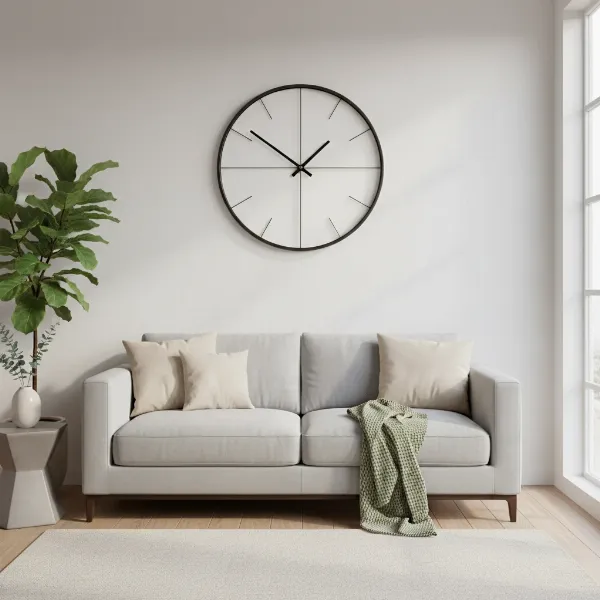 A stylish wall clock as a focal point in a modern living room.
Your Buying Journey: A Step-by-Step Guide
Embarking on the quest for the perfect wall clock can be an exciting journey. By following a structured approach, you can ensure your choice is both aesthetically pleasing and functionally suitable.
- Define Your Needs and Purpose: Before browsing, clarify why you want a wall clock. Is it primarily a decorative statement, a crucial timekeeping device, or a balance of both? Will it be in a high-traffic area needing clear legibility, or a quiet zone demanding silence? Understanding its main purpose will significantly narrow down your options.
- Set Your Budget: Wall clocks range widely in price, from affordable plastic models to high-end artisanal pieces. Establishing a budget early helps you focus on options within your financial comfort zone.
- Research and Read Reviews: Once you have a clearer idea of the type and style you prefer, research reputable brands and specific models. Read reviews from other buyers to gauge real-world performance, durability, and customer satisfaction. This step helps in identifying potential issues or hidden gems.
- Consider Placement and Environment: Visualize where the clock will hang. Think about the wall size, lighting conditions, and existing color palette. A clock should contrast sufficiently with the wall color to be easily readable. Also, consider environmental factors like humidity and temperature, especially for mechanical clocks.
- Choose Reputable Vendors: Purchase from established retailers or online stores known for quality and good customer service. This ensures you receive an authentic product and have support for any post-purchase needs, such as warranties or returns.
- Inspect the Product: Whether buying in-store or online, once the clock arrives, inspect it thoroughly. Check for any damage, ensure the hands move smoothly (if analog), and verify all features work correctly. Confirm the materials match the description and that the overall craftsmanship meets your expectations.
Preserving Time: Tips for Wall Clock Care and Maintenance
To ensure your wall clock remains a reliable and beautiful fixture for years to come, regular care and proper maintenance are essential. Simple habits can significantly extend its lifespan and maintain its accuracy.
- Regular Cleaning: Dust can accumulate on the clock face and within its mechanism, affecting performance and appearance.
- Dusting: Use a soft, dry, lint-free cloth or a clean makeup brush to gently dust the surface and hard-to-reach spots every 2-3 weeks.
- Surface Cleaning: For more stubborn grime on acrylic or metal surfaces, a damp cloth (and occasionally a mild, appropriate cleaner) can be used. Avoid harsh chemicals.
- Battery Management: For quartz clocks, replace batteries at least once a year, or every 6-12 months, even if they still seem to be working. Weak batteries can affect accuracy. Always remove old batteries promptly to prevent corrosion in the compartment.
- Environmental Control: Mechanical clocks are particularly sensitive to their surroundings.
- Temperature and Humidity: Maintain stable room temperatures (around 70-75°F or 21-24°C) and moderate humidity (40-60%) to prevent metal corrosion or wood warping.
- Direct Sunlight: Avoid placing clocks in direct sunlight, which can fade finishes and potentially damage internal components over time.
- Careful Handling: When moving or adjusting your wall clock, handle it with care. Remove batteries or secure pendulums and other detachable parts if relocating it. Avoid sudden impacts or vibrations.
- Professional Servicing: Mechanical clocks benefit greatly from professional servicing every 2-3 years. A clockmaker can clean, lubricate, and adjust the delicate internal mechanisms, ensuring optimal accuracy and longevity. Quartz clocks generally don’t require this level of professional intervention.
Conclusion
In a world increasingly tethered to digital screens, the humble wall clock stands as a testament to enduring design, practical utility, and the simple beauty of visible time. From its ability to enhance decor and serve as a focal point to its role in promoting better time management and reducing digital distractions, a wall clock is undoubtedly a worthwhile investment for any space. By carefully considering the type, size, material, and features, and committing to regular maintenance, you can select a timepiece that not only tells the hour but also adds character, elegance, and a sense of timelessness to your home or office. So, embrace the charm and functionality of a wall clock – what style will you choose to make a statement in your space?
Frequently Asked Questions
How do I choose the right size wall clock for my living room?
|
Our Picks for the Best Wall clock in 2026
As an Amazon Associate I earn from qualifying purchases.
|
||
| Num | Product | Action |
|---|---|---|
| 1 | WallarGe 14.5'' Large Digital Wall Clock Battery Operated with Jumbo Numbers, Temperature and Date - Easy to Read and Set, Auto DST |

|
| 2 | AKCISOT Wall Clock, Modern Small Wall Clocks Battery Operated 8 Inch, Silent Non-Ticking Analog Classic for Office, Home, Bathroom, Kitchen, Bedroom, School(Black) |
|
| 3 | Wall Clocks Battery Operated 8 inch Modern Wall Clock,Silent Non Ticking Wall Clock for Living Room Bedroom Kitchen Office Classroom Decor (Green White) |
|
| 4 | Roymnie Wall Clock Silent Non-Ticking Modern Clock Battery Operated 8 Inch Small Classic Analog Decorative for Classroom, Living Room, Office, Bedroom, School, Hotel (Black) |
|
| 5 | AKCISOT Wall Clock 10 Inch Silent Non-Ticking Modern Clocks Battery Operated - Analog Small Classic for Office, Home, Bathroom, Kitchen, Bedroom, School, Living Room(Black) |
|
| 6 | HYLANDA Wall Clock, 9 Inch Silent Non Ticking Classic Battery Operated Clocks, Decorative for Living Room, Bedrooms, Bathroom, Kitchen Office (Bronze) |
|
| 7 | DAXSMY Wall Clock - 8 Inch Silent Non-Ticking Modern 3D Wall Clocks Battery Operated - Decorative Clock for Kitchen, Home Office, Bathroom, Bedroom(Rose Gold) |
|
| 8 | jomparis Wall Clock 12 Inch Non-Ticking Silent Battery Operated Round Wall Clock Modern Elegant Simple Style Clock for Home Office Kitchen Bedroom Living Room |
|
| 9 | Roymnie Wall Clock Green, Silent Wall Clocks Battery Operated 8 Inch-Modern Non Ticking Analog Clock Decorative for Kitchen Office Bathroom Bedroom(Gold) |
|
| 10 | Bernhard Products Black Wall Clock Silent Non Ticking 10 Inch Quality Quartz Battery Operated Round Easy to Read Home/Office/Kitchen/Classroom/School Clock Sweep Movement |
|
For a living room, consider the wall’s dimensions and any furniture below where the clock will hang. A good guideline is for the clock’s width to be about two-thirds the width of the furniture it’s placed above. For large, empty walls, an oversized clock (over 24 inches in diameter) can create a striking focal point, ensuring it doesn’t get lost in the expanse.
Are silent wall clocks truly silent?
Most “silent” wall clocks feature a non-ticking or “sweep” quartz movement, meaning the second hand moves in a continuous, smooth motion rather than discrete ticks. While these are designed to be virtually noiseless, some may still produce a very faint hum if listened to closely in an extremely quiet environment. They are significantly quieter than traditional ticking clocks.