Stepping into any home, a clock is often one of the first things you notice, a silent sentinel marking the passage of moments. But with technology continually advancing, the once-simple choice between an analog or digital display has evolved into a decision between classic elegance and futuristic functionality. Do you opt for the familiar charm of a traditional wall clock, or embrace the multi-faceted capabilities of a smart clock? This guide will navigate the distinct worlds of these time-telling devices, helping you determine which best suits your lifestyle and home decor.
Wall Clocks and Smart Clocks: A Fundamental Comparison
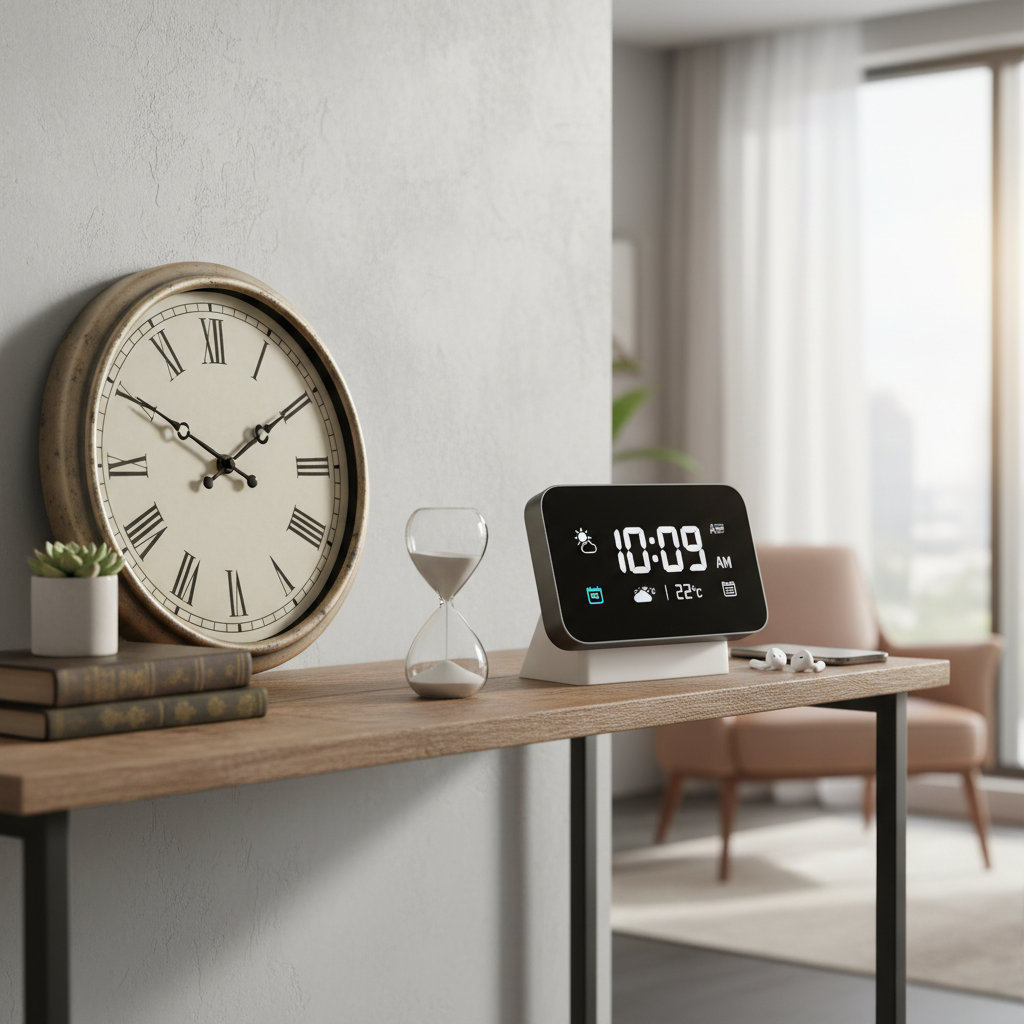
Traditional wall clocks have long served as both functional timekeepers and decorative accents, quietly blending into the backdrop of our daily lives. They come in myriad styles, from intricate cuckoo clocks to sleek, minimalist designs, each adding a unique touch to a room’s aesthetic. Their primary purpose is straightforward: to display the current time clearly and reliably for anyone in the vicinity.
Smart clocks, on the other hand, represent a convergence of timekeeping and smart technology, offering much more than just the hour and minute. These devices often integrate with your smart home ecosystem, acting as central hubs for various commands and information. Equipped with features like voice assistants, customizable displays, and connectivity options, smart clocks aim to streamline daily routines and provide a richer, more interactive experience.
The Timeless Appeal of Traditional Wall Clocks
Traditional wall clocks bring an unmatched sense of enduring beauty and understated sophistication to any interior. Their designs span centuries, encompassing ornate pendulum models that evoke a bygone era, rustic farmhouse styles that add warmth, and contemporary minimalist pieces that blend seamlessly into modern spaces. The craftsmanship inherent in many traditional clocks makes them not just instruments for telling time, but also cherished decorative elements that can define a room’s character.
These classic timepieces offer a refreshing simplicity in an increasingly digital world. Without reliance on Wi-Fi or complex setups, they are often celebrated for their reliability and ease of use, displaying the time at a glance without the need for swiping or voice commands. Many traditional clocks operate on batteries or even mechanical movements, making them immune to power outages and a practical, low-maintenance choice that can help reduce screen dependency in the home.
[image-1|wall-clock-interior-design|Traditional wall clock as a classic decorative element in a stylish living room interior|
A beautifully crafted traditional pendulum wall clock, made of dark wood, with elegant Roman numerals and intricate details, hanging prominently on a light-colored wall in a tastefully decorated living room. The room has natural light, a comfortable sofa, and a few potted plants, creating a serene and classic aesthetic. Eye-level shot, realistic photographic style.]
Potential Drawbacks of Traditional Wall Clocks
|
Our Picks for the Best Wall clock in 2026
As an Amazon Associate I earn from qualifying purchases.
|
||
| Num | Product | Action |
|---|---|---|
| 1 | AKCISOT Wall Clock, Modern Small Wall Clocks Battery Operated 8 Inch, Silent Non-Ticking Analog Classic for Office, Home, Bathroom, Kitchen, Bedroom, School(Black) |

|
| 2 | Roymnie Wall Clock Silent Non-Ticking Modern Clock Battery Operated 8 Inch Small Classic Analog Decorative for Classroom, Living Room, Office, Bedroom, School, Hotel (Black) |
|
| 3 | jomparis Wall Clock 12 Inch Non-Ticking Silent Battery Operated Round Wall Clock Modern Elegant Simple Style Clock for Home Office Kitchen Bedroom Living Room |
|
| 4 | Wall Clocks Battery Operated 8 inch Modern Wall Clock,Silent Non Ticking Wall Clock for Living Room Bedroom Kitchen Office Classroom Decor (Green White) |
|
| 5 | Roymnie Wall Clock Green, Silent Wall Clocks Battery Operated 8 Inch-Modern Non Ticking Analog Clock Decorative for Kitchen Office Bathroom Bedroom(Gold) |
|
| 6 | AKCISOT Wall Clock 10 Inch Silent Non-Ticking Modern Clocks Battery Operated - Analog Small Classic for Office, Home, Bathroom, Kitchen, Bedroom, School, Living Room(Black) |
|
| 7 | HYLANDA Wall Clock, 9 Inch Silent Non Ticking Classic Battery Operated Clocks, Decorative for Living Room, Bedrooms, Bathroom, Kitchen Office (Bronze) |
|
| 8 | WallarGe 14.5'' Large Digital Wall Clock Battery Operated with Jumbo Numbers, Temperature and Date - Easy to Read and Set, Auto DST |
|
| 9 | Bernhard Products Black Wall Clock Silent Non Ticking 10 Inch Quality Quartz Battery Operated Round Easy to Read Home/Office/Kitchen/Classroom/School Clock Sweep Movement |
|
| 10 | DAXSMY Wall Clock - 8 Inch Silent Non-Ticking Modern 3D Wall Clocks Battery Operated - Decorative Clock for Kitchen, Home Office, Bathroom, Bedroom(Rose Gold) |
|
While their simplicity is often a virtue, traditional wall clocks do have limitations in functionality. They are primarily designed for telling time and may offer very few, if any, additional features like alarms or date displays. Some mechanical versions might require periodic winding, which can be seen as a chore by some users. Furthermore, while quartz movements are highly accurate, older or simpler mechanical clocks might not maintain the precise timekeeping offered by modern digital alternatives.
Embracing Modern Living with Smart Clocks
Smart clocks are designed for the tech-savvy homeowner who desires an integrated and highly functional time-telling device. Beyond simply displaying the time, these modern gadgets can act as central command centers for your smart home, allowing you to control lighting, thermostats, security systems, and other connected devices through voice commands or touchscreens. Their multi-faceted nature significantly enhances daily convenience, making mundane tasks more efficient.
The true power of smart clocks lies in their advanced customization and immediate access to information. Many models feature vibrant digital displays that can show real-time weather updates, news headlines, calendar events, indoor temperature, or even air quality alongside the time. Users can personalize clock faces, choose from various alarm tones, and set up automated morning routines, allowing the clock to gradually brighten the room or play a morning briefing.
Potential Drawbacks of Smart Clocks
Despite their numerous advantages, smart clocks come with their own set of considerations. They typically require a constant power source and a stable Wi-Fi connection to fully utilize their smart features, making them vulnerable during power outages or internet disruptions. The initial cost can be higher than traditional clocks, and some advanced features or content might be locked behind subscription services. Additionally, integrating a new smart device into your home may involve a learning curve to master all its functionalities. Privacy is another crucial concern, as many smart clocks include microphones for voice commands, and some even have cameras for video calls or home monitoring, raising questions about data collection and security.
Key Factors When Choosing Your Ideal Timepiece
Deciding between a traditional wall clock and a smart clock involves weighing several personal preferences and practical needs. Your primary reason for purchasing a clock, whether for pure timekeeping, decorative purposes, or as a smart home hub, should guide your choice. Consider where the clock will be placed; a rustic analog clock might complement a farmhouse kitchen, while a sleek smart display could be perfect for a modern office or bedroom.
Your aesthetic preference is paramount, as the clock should harmonize with your existing home decor. If you appreciate classic designs, intricate craftsmanship, or a minimalist analog look, a traditional wall clock will likely be more appealing. Conversely, if you favor contemporary design, digital interfaces, and a futuristic aesthetic, a smart clock is probably a better fit. Your budget will also play a role, as traditional clocks often offer more affordable entry points, while smart clocks can represent a larger investment for their expanded feature sets.
Consider your comfort level with technology; if you prefer straightforward devices that require minimal interaction, a traditional clock is ideal. If you embrace gadgets and enjoy integrating technology into your daily life, a smart clock’s interactive capabilities will be a significant advantage. Finally, think about the specific features you desire beyond just telling time. Do you need a voice assistant, smart home control, weather updates, or advanced alarm settings? Or do you simply want a beautiful, reliable timepiece that serves its singular purpose with grace?
Notable Brands and Models
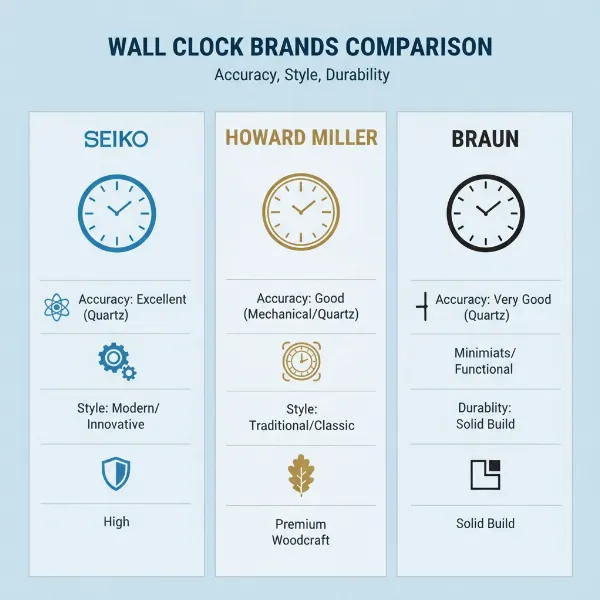
When considering traditional wall clocks, several brands stand out for their quality, craftsmanship, and aesthetic appeal. Howard Miller is renowned for its elegant designs and a wide selection of beautiful wood finishes, often incorporating chiming mechanisms. Hermle is a world-renowned maker, celebrated for its classically designed and intricately detailed clocks. For those seeking precision and modern touches in an analog format, Seiko offers sleek, quiet clocks, sometimes with atomic timekeeping. Bulova provides stylish options that blend good looks with practicality.
In the realm of smart clocks, several innovative models offer a robust array of features. The Amazon Echo Show and Echo Dot are popular choices, leveraging Alexa for voice control, music streaming, and smart home management. Lenovo Smart Clocks are often praised for their compact design, Google Assistant integration, and customizable displays that can show weather and calendar events. For those prioritizing a gentle wake-up experience and sleep insights, the Hatch Restore series and Philips SmartSleep Wakeup Alarm Clocks are excellent options, combining sunrise simulation with soothing sounds and smart app controls.
| Feature / Clock Type | Traditional Wall Clock | Smart Clock |
|---|---|---|
| Primary Function | Time telling, decor | Time telling, smart home hub, information display |
| Aesthetics | Classic, vintage, rustic, minimalist | Modern, sleek, digital, customizable displays |
| Connectivity | None (standalone) | Wi-Fi, Bluetooth, smart home integration |
| Additional Features | Chimes (some), pendulum | Voice assistant, weather, news, music, alarms, sleep tracking, smart device control |
| Power Source | Batteries, mechanical winding | AC power (mostly), sometimes battery backup |
| Cost | Generally lower | Generally higher |
| Complexity | Simple, easy to use | Can have a learning curve |
| Privacy | High | Requires consideration of data/microphone usage |
Conclusion
The choice between a traditional wall clock and a smart clock ultimately hinges on your personal priorities for functionality, aesthetics, and lifestyle integration. Traditional wall clocks offer timeless elegance, simple reliability, and a screen-free way to keep time, often becoming cherished decorative pieces that reduce digital distractions. Smart clocks, conversely, provide a highly interactive and multifunctional experience, serving as central hubs for smart home control, personalized information, and diverse entertainment options.
Whether you prioritize classic charm and straightforward timekeeping or cutting-edge features and seamless smart home integration, the perfect timepiece awaits. What features matter most to you in a clock, and how do you envision it enhancing your daily life?
Frequently Asked Questions
What are the main benefits of a traditional wall clock?
Traditional wall clocks offer a classic aesthetic, enhance home decor, provide reliable timekeeping without reliance on electricity or Wi-Fi (for some), and can help reduce screen dependency by offering an easy-to-read, physical display of time.
How do smart clocks integrate with a smart home?
Smart clocks typically connect via Wi-Fi and can integrate with popular voice assistants like Alexa or Google Assistant. This allows them to control other smart devices such as lights, thermostats, and security systems using voice commands or their touchscreens, effectively acting as a central hub.
Are smart clocks worth the investment?
Smart clocks are worth the investment for those who value advanced functionality beyond simple timekeeping, such as smart home control, personalized information displays (weather, news), media streaming, and customizable alarms. They offer significant convenience for tech-integrated homes.
Do traditional wall clocks require winding?
Not all traditional wall clocks require winding. Many modern traditional wall clocks operate on quartz movements, powered by batteries, and are highly accurate and low maintenance. Older, purely mechanical clocks, especially pendulum or grandfather clocks, often need to be wound regularly.
Can smart clocks help with sleep routines?
Yes, many smart clocks are designed with sleep-enhancing features. These can include sunrise simulation alarms that gradually brighten a room, a library of soothing sounds for winding down, and even basic sleep tracking capabilities to help you establish better sleep habits.