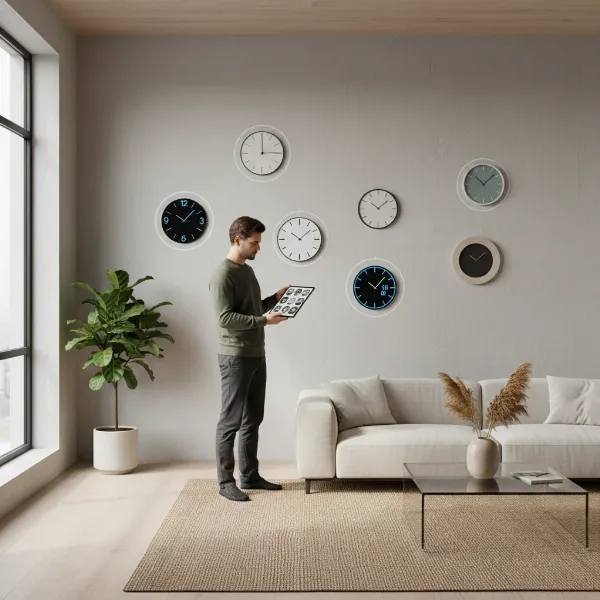
Choosing the right wall clock is more than just picking a timepiece; it’s about finding a functional art piece that stands the test of time, both aesthetically and mechanically. With over a decade of hands-on experience in testing, repairing, and evaluating countless models, I’ve seen what makes a wall clock truly exceptional and what leads to disappointment. From the intricate gears of antique mechanical clocks to the sleek precision of modern digital displays, the world of wall clocks offers a vast array of choices. This comprehensive guide will equip you with the insights needed to navigate this landscape, focusing on critical aspects like durability, accuracy, and ease of use, ensuring your next wall clock isn’t just a purchase, but a lasting investment.
Types of Wall Clocks to Consider
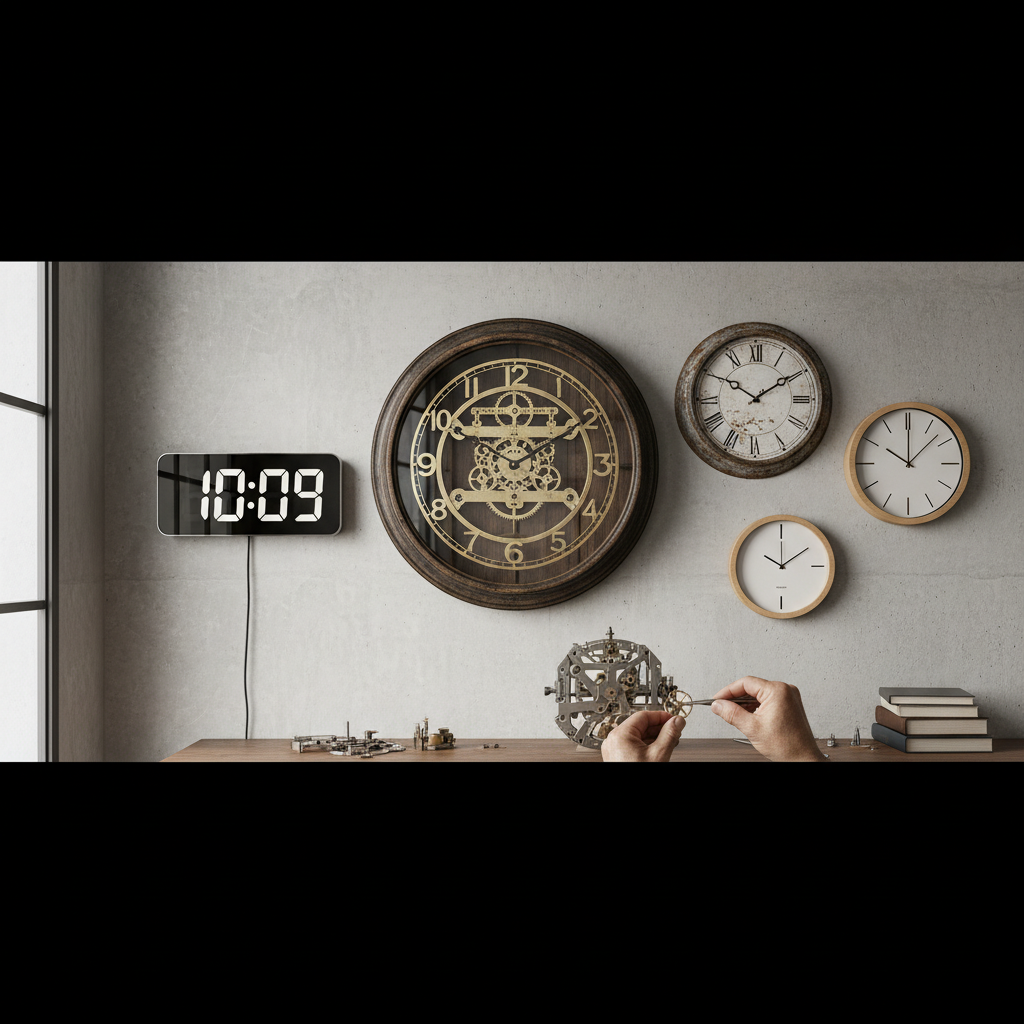
When you’re looking to bring a new timepiece into your home, understanding the different types available is the first crucial step. Each category offers a unique blend of style, function, and longevity, catering to diverse preferences and practical needs.
- Traditional Analog Wall Clocks: These are perhaps what most people envision when they think of a wall clock. They feature hands that sweep across a numbered dial and are powered by either quartz or mechanical movements. Quartz movements are the most common, relying on a battery and a vibrating quartz crystal for remarkably accurate timekeeping. They are generally low-maintenance, requiring only periodic battery changes, and often offer a silent sweep or a distinct tick-tock sound. Their lifespan typically ranges from 10 to 20 years, making them a reliable choice for everyday use.
- Modern Digital Wall Clocks: For those who prefer a contemporary aesthetic or require additional features, digital wall clocks are an excellent option. They display time numerically, often featuring large, easy-to-read LED or LCD screens. Many digital clocks go beyond basic timekeeping, incorporating alarms, date displays, temperature, and even humidity readings. While highly functional, their electronic components typically lead to a shorter lifespan, usually between 5 to 15 years, with the display potentially fading over time.
- Classic Pendulum Wall Clocks: Evoking a sense of timeless elegance, pendulum clocks feature a visible pendulum swinging beneath the clock face. These are often powered by mechanical movements, which use a system of gears, weights, and springs. Mechanical clocks are celebrated for their intricate craftsmanship and can last for generations, often becoming cherished family heirlooms. However, they demand more attention, requiring regular winding and professional servicing every few years to maintain their precision and longevity.
- Artistic and Decorative Wall Clocks: Sometimes, a wall clock serves less as a strict timekeeper and more as a statement piece of art. These clocks prioritize unique designs, materials, and aesthetic appeal to complement or define a room’s decor. Materials range widely from rustic wood and sleek metal to innovative acrylics and glass. The durability and accuracy of these clocks vary significantly depending on their underlying movement and the quality of their construction, with high-quality artistic clocks often incorporating reliable movements for both beauty and function.
Important Factors When Choosing a Wall Clock
Selecting the perfect wall clock goes beyond simply liking its appearance. There are several critical factors that savvy buyers, and certainly experienced technicians, always consider to ensure a timepiece meets both aesthetic desires and practical demands.
Size: Finding the Right Fit for Your Space
|
Our Picks for the Best Wall clock in 2026
As an Amazon Associate I earn from qualifying purchases.
|
||
| Num | Product | Action |
|---|---|---|
| 1 | DAXSMY Wall Clock - 8 Inch Silent Non-Ticking Modern 3D Wall Clocks Battery Operated - Decorative Clock for Kitchen, Home Office, Bathroom, Bedroom(Rose Gold) |

|
| 2 | Wall Clocks Battery Operated 8 inch Modern Wall Clock,Silent Non Ticking Wall Clock for Living Room Bedroom Kitchen Office Classroom Decor (Green White) |
|
| 3 | Bernhard Products Black Wall Clock Silent Non Ticking 10 Inch Quality Quartz Battery Operated Round Easy to Read Home/Office/Kitchen/Classroom/School Clock Sweep Movement |
|
| 4 | jomparis Wall Clock 12 Inch Non-Ticking Silent Battery Operated Round Wall Clock Modern Elegant Simple Style Clock for Home Office Kitchen Bedroom Living Room |
|
| 5 | Roymnie Wall Clock Green, Silent Wall Clocks Battery Operated 8 Inch-Modern Non Ticking Analog Clock Decorative for Kitchen Office Bathroom Bedroom(Gold) |
|
| 6 | WallarGe 14.5'' Large Digital Wall Clock Battery Operated with Jumbo Numbers, Temperature and Date - Easy to Read and Set, Auto DST |
|
| 7 | HYLANDA Wall Clock, 9 Inch Silent Non Ticking Classic Battery Operated Clocks, Decorative for Living Room, Bedrooms, Bathroom, Kitchen Office (Bronze) |
|
| 8 | AKCISOT Wall Clock 10 Inch Silent Non-Ticking Modern Clocks Battery Operated - Analog Small Classic for Office, Home, Bathroom, Kitchen, Bedroom, School, Living Room(Black) |
|
| 9 | AKCISOT Wall Clock, Modern Small Wall Clocks Battery Operated 8 Inch, Silent Non-Ticking Analog Classic for Office, Home, Bathroom, Kitchen, Bedroom, School(Black) |
|
| 10 | Roymnie Wall Clock Silent Non-Ticking Modern Clock Battery Operated 8 Inch Small Classic Analog Decorative for Classroom, Living Room, Office, Bedroom, School, Hotel (Black) |
|
The size of your wall clock should be proportionate to the wall it adorns and the room it occupies. A clock that is too small can look lost on a large wall, while an oversized clock can overwhelm a smaller space. For expansive living rooms or open-plan areas, larger clocks with diameters exceeding 24 inches can serve as striking focal points. Conversely, for compact kitchens, hallways, or bedrooms, a smaller clock, perhaps 10 to 14 inches, provides clear readability without dominating the visual space. Always measure your available wall space and consider the viewing distance before making a decision.
Material Quality: The Foundation of Durability and Style
The longevity and aesthetic appeal of a wall clock are largely determined by its materials. High-quality materials not only enhance durability but also contribute to the clock’s overall feel and finish.
- Solid Wood: Offers a classic, warm, and robust feel. Wood clocks are generally durable but can be susceptible to humidity and direct sunlight, which may cause fading or warping over time.
- Metal: Provides a sleek, modern, or industrial look. Metals like stainless steel, wrought iron, or brass are highly durable and resilient to wear, though some can be prone to tarnishing or rust if exposed to high moisture.
- Glass/Acrylic: Often used for the clock face or as decorative elements. Glass offers clarity and a premium feel but is fragile. Acrylic is a lighter, more shatter-resistant alternative, making it suitable for high-traffic areas.
- High-Quality Plastic: While often associated with cheaper clocks, well-constructed plastic can be surprisingly durable and versatile, allowing for intricate designs and vibrant colors. However, always inspect the craftsmanship to avoid flimsy options that quickly lose their appeal.
Style: Harmonizing with Your Home Decor
A wall clock is a significant decorative element, capable of complementing or even defining the aesthetic of a room. Whether your home leans towards minimalist, rustic, contemporary, traditional, or industrial, there’s a clock style to match. Consider the existing furniture, color palette, and overall theme of your space. A minimalist clock with clean lines and a simple dial suits modern interiors, while an ornate wooden pendulum clock might be ideal for a classic or vintage-inspired setting. The clock should feel like an integrated part of your decor, not just an afterthought.
Accuracy: The Core Functionality
Ultimately, a clock’s primary purpose is to tell time precisely.
- Quartz movements are renowned for their accuracy, typically deviating by only a few seconds per month. Many even feature atomic synchronization, automatically adjusting to a radio signal for impeccable precision.
- Mechanical movements, while beautiful, inherently have a slightly wider margin of error compared to quartz. Their accuracy is a testament to meticulous craftsmanship and can be maintained through regular professional servicing and careful regulation.
- Digital clocks are generally highly accurate, especially those with atomic sync features, providing precise time readings.
“In my experience, a truly great wall clock blends robust construction with impeccable timekeeping. Durability isn’t just about the frame; it’s about the heart of the movement enduring years of silent, steady work.” – Sarah Chen, Master Clockmaker and Horology Expert
Noise Level: Seeking Silence or Embracing the Tick
The audible presence of a wall clock can significantly impact the ambiance of a room.
- Silent Sweep Movements: Many modern quartz clocks feature a “silent” or “sweep” second hand that glides smoothly without a discernible ticking sound. These are ideal for bedrooms, studies, or any space where quiet is paramount.
- Audible Tick-Tock: Traditional quartz and mechanical clocks often produce a distinct tick-tock. For some, this sound is comforting and nostalgic, while for others, it can be a distraction. Always consider your personal preference and the intended room for the clock.
Additional Features: Enhancing Utility
Beyond basic timekeeping, many wall clocks offer supplementary features that enhance their utility. These can include:
- Chimes: Often found in mechanical or some higher-end quartz clocks, chimes can mark the hour or quarter-hour, adding a classic touch. Many allow for volume control or night-time shut-off.
- Temperature and Humidity Displays: Common in digital clocks, these features provide useful environmental information at a glance.
- Alarms: While more typical in smaller clocks, some digital wall clocks incorporate alarm functions.
- Date and Day Displays: Digital clocks frequently offer these practical additions for daily reference.
- Night Lights: Some clocks include automatic backlighting or luminous hands/numerals for visibility in low light conditions.